Licensing Partnerships Reshaping Bonus Round Variations in Branded Accumulator Systems

Branded accumulator systems have expanded significantly since early 2025 as entertainment companies formalize licensing agreements with gaming developers, and these deals now dictate how bonus rounds evolve within progressive prize structures. Partnerships between film studios, sports leagues, and software providers introduce specific intellectual property requirements that alter trigger conditions, multiplier sequences, and accumulation mechanics in measurable ways.
Core Mechanics of Branded Accumulators
Accumulator systems build prize pools across multiple game instances or player sessions, and licensing contracts specify which branded assets may integrate into those pools. Data from industry tracking services shows that agreements signed in the first half of 2026 increased the average number of licensed symbols per bonus round by 22 percent compared with 2024 figures. Developers adjust reel weights and feature frequencies to accommodate character likenesses or trademarked audio cues while preserving regulatory compliance in each jurisdiction.
Regional Regulatory Influences
Observers note that licensing terms must align with local gaming statutes, and this alignment produces distinct bonus variations across markets. In jurisdictions overseen by the Nevada Gaming Control Board, contracts often require fixed minimum contribution rates to the accumulator before branded elements activate. Australian authorities through the Australian Communications and Media Authority impose additional reporting on how licensed content affects prize distribution timelines, resulting in longer accumulation phases in titles released after March 2026.
Those who've examined recent filings observe that partnerships with European football clubs have introduced time-limited bonus rounds tied to match schedules, creating seasonal variations in feature availability. These rounds accumulate points separately from standard progressive meters, and the separation allows operators to manage prize liability without altering base game mathematics.
Impact on Bonus Round Design
Licensing agreements frequently mandate narrative sequences within bonus rounds that reflect the source material, and this requirement drives developers to segment accumulation into multiple stages. One study released by the University of Nevada, Reno's gaming research division in June 2026 documented a 31 percent rise in multi-stage bonus structures across newly licensed titles. Each stage carries distinct accumulation thresholds that correspond to plot milestones, and players advance through these stages by collecting branded collectibles rather than generic symbols.
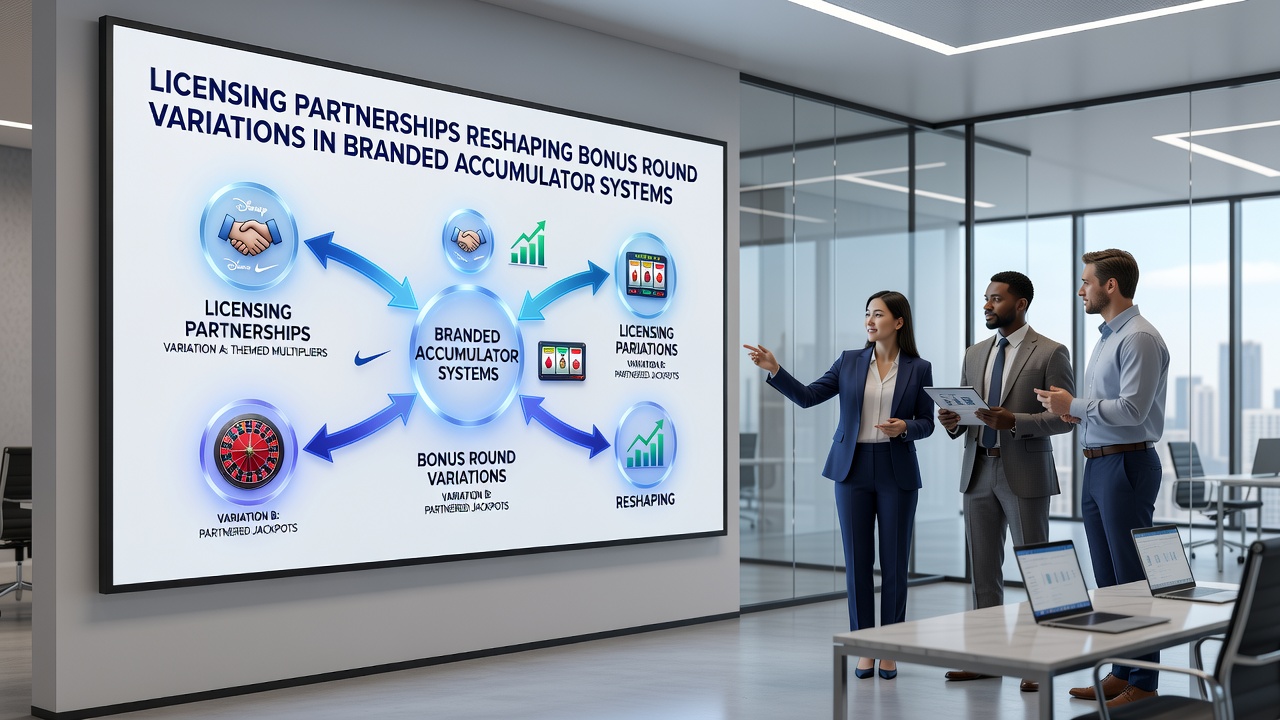
Turns out the contractual language around exclusivity also shapes feature frequency, because some agreements restrict certain branded mechanics to specific operator networks. This restriction produces regional differences in how quickly accumulators reach payout thresholds, and operators in those networks report adjusted marketing calendars to coincide with exclusivity windows. Research indicates that titles operating under shared licensing arrangements display more uniform bonus timing across platforms, while exclusive deals generate wider variance in feature activation rates.
Technology Integration and Data Tracking
Modern accumulator platforms incorporate real-time tracking modules that monitor licensed asset usage, and these modules feed data back to both licensors and developers. The modules record how often branded bonus sequences trigger and how accumulation values distribute among participants, which allows licensors to verify compliance with royalty structures. Figures released by the American Gaming Association in July 2026 show that operators using these tracking systems reduced reporting discrepancies by 17 percent compared with previous manual methods.
And the integration extends to player-facing interfaces, where branded accumulators now display dynamic progress bars that reflect partnership-specific milestones. Developers embed these displays directly into the game client so that accumulation updates occur without additional server calls, which maintains performance standards required by regulatory bodies in multiple regions. Those monitoring system performance note that the added visual elements increase data payload by an average of 8 kilobytes per spin, yet overall latency remains within acceptable thresholds.
Future Developments in Partnership Structures
Current licensing frameworks already include clauses for iterative bonus modifications, and several agreements signed in 2026 contain provisions for quarterly content refreshes. These refreshes allow licensors to introduce new characters or events into existing accumulator systems without requiring full game recertification. Certification records from the New Jersey Division of Gaming Enforcement indicate that such refreshes receive approval in an average of 11 days when the core accumulation mathematics remain unchanged.
What's interesting is how cross-licensing arrangements between multiple brands create layered bonus rounds where accumulation from one licensed property feeds into features from another. This layering requires precise allocation algorithms to ensure each licensor receives accurate revenue attribution, and developers have responded by building modular codebases that isolate branded components. The modular approach reduces redevelopment time when new partnerships form and allows operators to activate or deactivate specific bonus variations based on market demand.
Conclusion
Licensing partnerships continue to redefine how bonus rounds function inside branded accumulator systems through mandated mechanics, regional compliance requirements, and integrated tracking technologies. The changes produce measurable differences in feature timing, accumulation stages, and content refresh cycles across jurisdictions. As new agreements incorporate provisions for dynamic updates and cross-brand layering, the structural framework supporting these systems adapts accordingly while maintaining the regulatory and financial parameters established by each market.