Examining Interconnected Prize Pool Dynamics Across Multi-Vendor Digital Reel Ecosystems
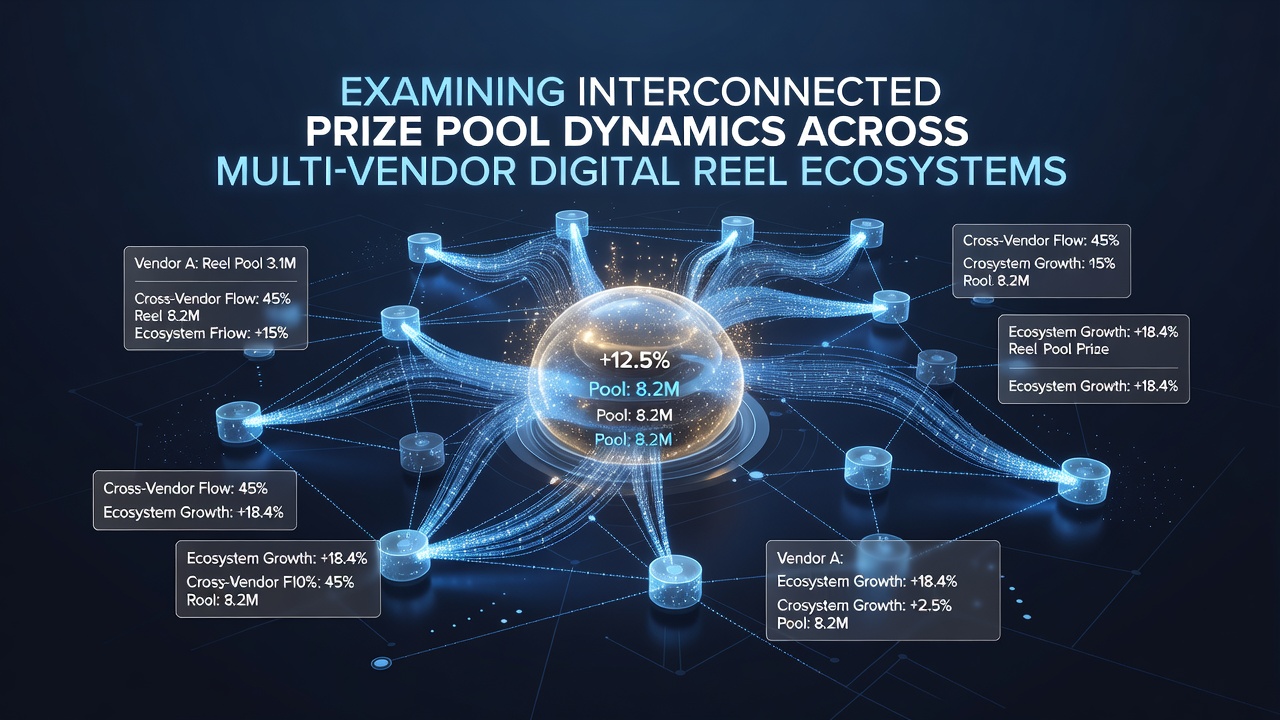 Multi-vendor digital reel ecosystems rely on shared prize pools that draw contributions from independent game providers operating on separate platforms. These systems aggregate funds from various reel titles into centralized accumulators that trigger progressive payouts when specific conditions align across networks. Data from regulatory filings shows participation rates increasing steadily through 2025 with further integration milestones projected for June 2026 in several North American and European jurisdictions. Operators coordinate through standardized protocols that track each vendor's percentage contribution based on bet volume and game type. A single pool might receive inputs from five or more distinct suppliers simultaneously while maintaining separate ledgers for audit purposes. This structure allows smaller developers to access larger prize tiers without building independent accumulators from scratch.
Contribution Mechanisms and Pool Synchronization
Vendors allocate a fixed portion of each wager to the common pool according to contractual agreements that specify rates ranging from 1 to 3 percent depending on game volatility profiles. Synchronization occurs through application programming interfaces that update pool values in real time across participating platforms. When one vendor's reel triggers a qualifying event the entire network recalibrates the remaining balance instantly.
Studies from the European Gaming and Betting Association indicate that synchronized pools reduce payout variance by distributing risk across multiple revenue streams. In practice this means a high-volume title from one supplier can stabilize contributions from lower-traffic games offered by another vendor. The result appears in monthly reports where aggregate pool growth remains consistent even when individual game performance fluctuates.
Distribution Patterns Across Regions
Regional regulations shape how interconnected pools distribute winnings. In Nevada the Gaming Control Board requires transparent reporting of each vendor's share before any jackpot release. Australian authorities through the Australian Communications and Media Authority apply similar oversight that mandates clear separation between local and cross-border contributions. These frameworks prevent disputes when a single large payout draws funds accumulated from multiple jurisdictions.
One documented case involved a multi-vendor pool that reached $4.2 million in May 2026 before triggering in early June. The distribution split 62 percent to the winning player and the remainder allocated back to seed new accumulators while compensating each participating vendor proportionally. Observers note that such events highlight the importance of precise metering systems that log every contribution down to the cent.
Technical Infrastructure Supporting Interconnections
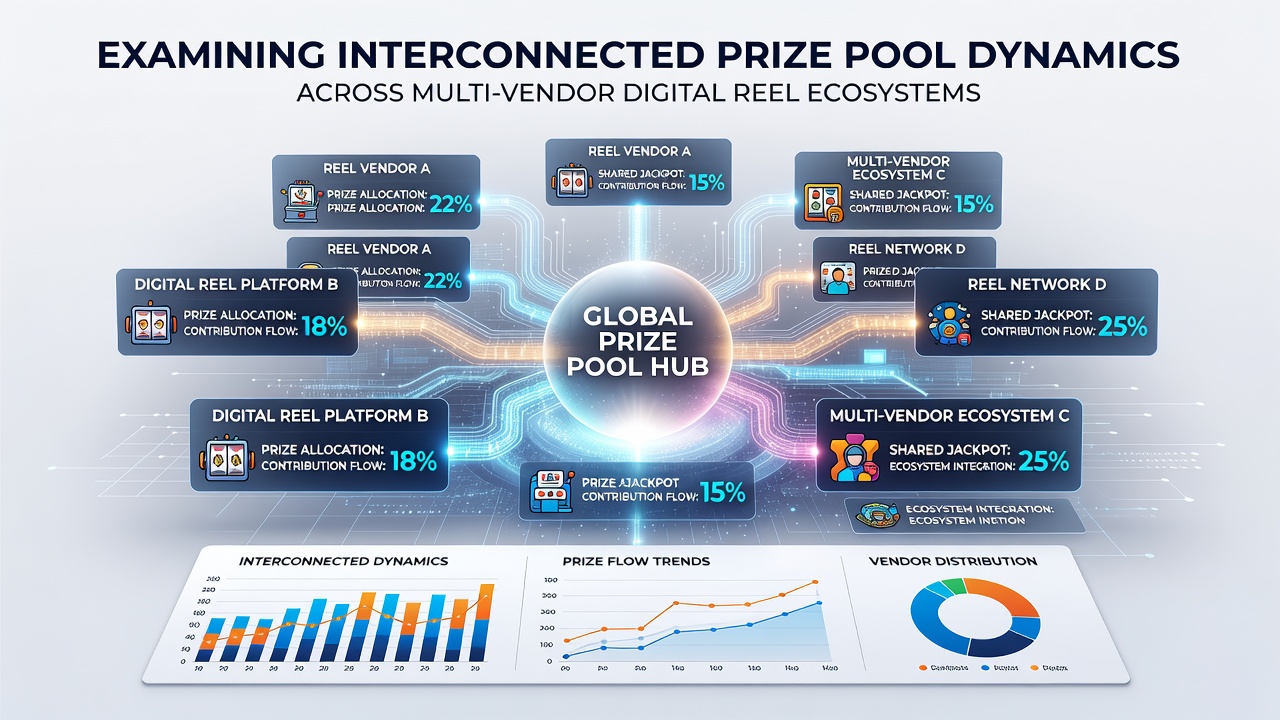
Backend servers maintained by third-party aggregators handle the heavy lifting of pool management. These systems employ distributed ledger technology in some implementations to create immutable records of every transaction. Redundancy protocols ensure that if one vendor's connection drops the remaining participants continue accumulating without interruption. Recovery procedures restore full synchronization once the offline platform rejoins the network.
Research published by the University of Nevada Reno's gaming analytics group examined 14 interconnected pools over 18 months. Findings revealed that technical latency below 200 milliseconds correlated with higher player retention rates on linked titles. Platforms exceeding that threshold experienced measurable drops in repeat engagement during peak hours.
Regulatory Oversight and Compliance Requirements
Regulatory bodies require independent audits of pool algorithms at least quarterly. Auditors verify that contribution percentages match contractual terms and that no single vendor gains unfair advantage through selective reporting. In Canada provincial regulators have begun requiring real-time dashboards accessible to oversight committees so discrepancies surface quickly.
June 2026 marks the scheduled rollout of enhanced data-sharing standards across several Canadian and U.S. markets. These standards aim to harmonize reporting formats so cross-border pools operate under unified compliance rules. Early adoption documents show reduced administrative overhead for vendors already participating in multi-jurisdictional networks.
Future Trajectory of Multi-Vendor Prize Systems
Industry reports project continued expansion of interconnected pools into emerging markets throughout the second half of 2026. New entrants from South America and Southeast Asia have signaled interest in joining established networks rather than developing standalone systems. This trend suggests consolidation around a smaller number of aggregator platforms that already possess the necessary technical and regulatory infrastructure.
Those who monitor these developments point to the increasing complexity of prize pool formulas that now incorporate player location data and game category weights. The added variables allow finer control over how quickly pools grow while maintaining mathematical fairness across all contributing vendors.
Conclusion
Interconnected prize pool dynamics continue to evolve as technical standards mature and regulatory frameworks align across borders. The June 2026 integration targets represent one milestone in an ongoing process that balances vendor autonomy with collective prize growth. Accurate metering, transparent reporting, and synchronized infrastructure remain the core requirements that sustain these ecosystems over time.