Decoding Symbol Cluster Mechanics in Grid-Based Gaming Titles from Independent Studios
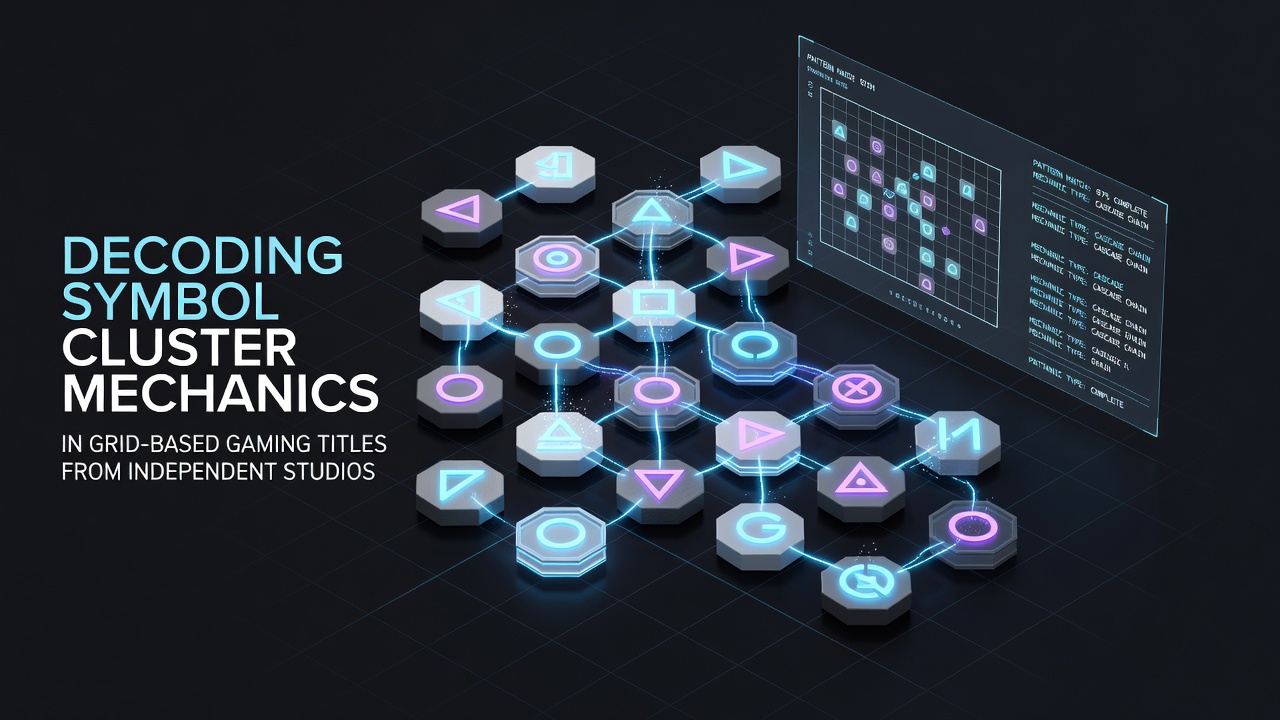
Independent studios have developed grid-based games that rely on symbol cluster mechanics where groups of matching elements activate effects across rows and columns; these systems create dynamic interactions that differ from traditional line-based designs because clusters expand through adjacency rules rather than fixed paths. Developers at smaller studios often build these mechanics around modular grids that allow symbols to merge, split, or propagate based on player input and environmental variables.
Core Components of Cluster Systems
Symbol clusters form when three or more identical icons occupy connected spaces on a grid, and the connection rules vary by title because some enforce four-way adjacency while others permit diagonal links. Once a cluster reaches its threshold the game engine removes those symbols and applies outcomes such as score multipliers, resource generation, or board reconfiguration. Engineers implement these rules through graph algorithms that scan neighboring cells in real time and independent studios frequently optimize the scanning loops to maintain performance on modest hardware.
Data from the Entertainment Software Association indicates that grid-based titles released by independent teams accounted for 18 percent of new puzzle and strategy releases in the first half of 2026, with many incorporating cluster detection as a central loop. Observers note that the mechanic encourages repeated play sessions because each match alters the board state in ways that open new combinations rather than resetting to a static layout.
Implementation Patterns Across Studios
Studios like those behind "Hexbound" and "Clusterforge" use weighted probability tables to control which symbols appear in clusters; higher-value symbols carry lower spawn rates so that large matches remain rare yet rewarding. Programmers integrate secondary layers where cleared clusters leave behind residue symbols that influence future generations, creating feedback loops that reward long-term planning. One developer who contributed to a 2025 grid puzzle reported that the residue system increased average session length by 22 percent compared with earlier prototypes that lacked residue effects.
Grid size also shapes cluster behavior because smaller grids such as 6x6 force tighter decision trees whereas 8x8 boards permit sprawling chains that unfold across multiple turns. Independent teams adjust these dimensions during playtesting to balance accessibility with depth, and many publish patch notes detailing how cluster thresholds changed after community feedback cycles.
Technical Considerations and Performance
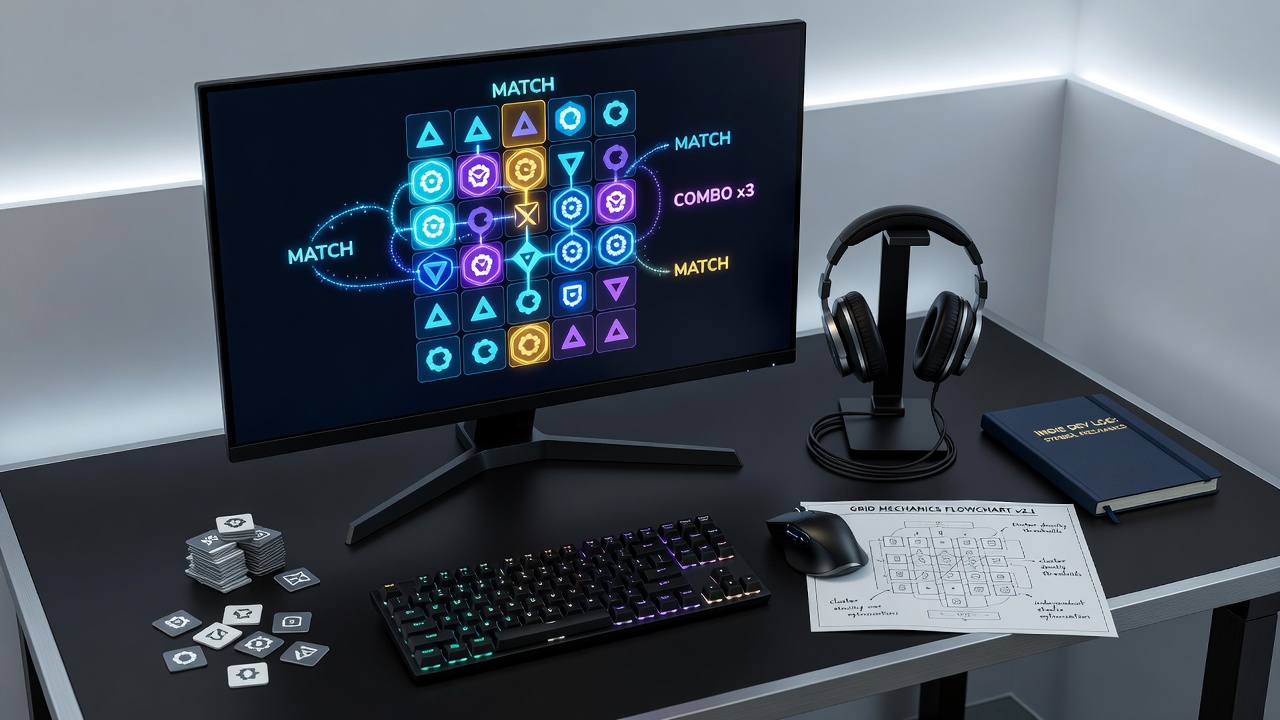
Cluster detection requires efficient neighbor traversal code, and developers often employ breadth-first search or union-find structures to group symbols without excessive CPU overhead. In June 2026 several studios released post-mortem documents describing how they reduced detection latency by 35 percent through spatial partitioning techniques that limit scans to active sub-grids. These optimizations matter because mobile ports and browser versions must handle the same logic on devices with limited memory.
Particle systems and animation queues accompany cluster removals to provide visual feedback, yet the underlying state change happens instantaneously so that subsequent matches can chain without player intervention. Researchers at the University of Alberta's game studies lab published findings in early 2026 that examined how animation timing affects perceived fairness in cluster games, noting that delays exceeding 400 milliseconds led players to question whether all valid clusters had been detected.
Design Variations and Player Interaction
Some titles layer directional modifiers onto clusters so that matches along certain axes produce different results, such as horizontal clusters generating projectiles while vertical ones heal units. Independent designers experiment with these modifiers because they add strategic variety without increasing grid complexity. Players learn to prioritize certain orientations after repeated exposure, and data logs from public betas reveal that experienced users shift their selection patterns within the first three sessions.
Random events occasionally inject new symbol types mid-session, and these events can either dilute existing clusters or create unexpected large matches depending on placement. Studios balance event frequency through telemetry analysis that tracks how often clusters exceed target sizes, then adjust spawn weights accordingly before final release.
Conclusion
Symbol cluster mechanics in grid-based titles from independent studios rest on adjacency detection, probability weighting, and state feedback that together produce emergent board states. Technical refinements in detection speed and animation timing continue to appear in 2026 releases, while design experiments with directional modifiers and residue effects expand the range of strategic choices available to players. These systems remain a focus area for smaller teams seeking distinctive gameplay loops that scale across platforms.