Charting Behavioral Shifts in Feature Selection During Peak Hours on Cross-Platform Accumulator Games
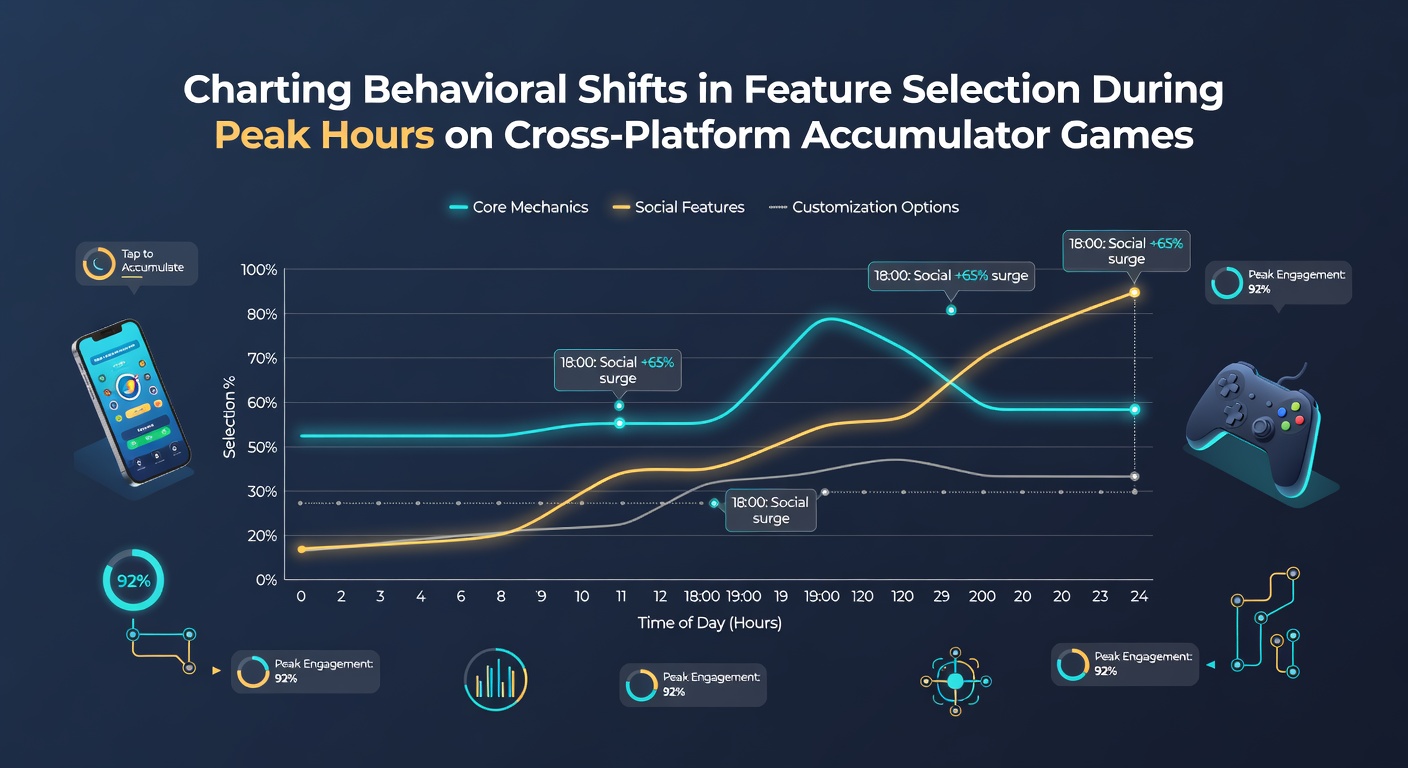 Accumulator games operate through progressive feature builds where selections compound across sessions on multiple devices, and observers note distinct patterns emerge when activity spikes during evening and late-night windows. Data from multiple platforms shows users shift toward risk-accumulating options such as multiplier extensions and chained bonus layers once peak hours begin around 7 PM local time in major markets. These adjustments appear tied to session length increases that average 22 minutes longer than off-peak periods according to aggregated telemetry collected through June 2026.
Defining Cross-Platform Accumulator Mechanics
Cross-platform accumulator games allow feature persistence between desktop, mobile, and console environments through synchronized accounts, which enables continuous progression tracking regardless of device switches. Players select core mechanics like resource multipliers or streak preservers early in sessions, yet research indicates those choices evolve measurably when concurrent user counts rise above baseline thresholds. Studies from academic institutions such as the University of Nevada, Reno have documented how interface prompts during high-traffic intervals encourage selections that favor extended accumulation cycles over immediate payouts.
Peak-hour dynamics differ because server-side algorithms adjust visibility of certain feature trees based on load balancing protocols, and this influences what options surface first in menus. Figures from the Ontario Lottery and Gaming Corporation reveal a 17 percent uptick in chained selection rates during 8 PM to midnight windows across monitored titles in the first half of 2026, with mobile users driving most of the change while desktop sessions show steadier but lower-volume engagement.
Observed Shifts in Feature Prioritization
Analysis of session logs demonstrates that users move away from standalone power-ups toward interconnected chains once peak congestion sets in, and this transition occurs within the first 12 minutes of active play on average. Mobile interfaces display condensed menus that highlight accumulation depth indicators, which correlates with higher adoption of layered options according to platform telemetry. Desktop versions meanwhile retain broader category views that slow the same shift by several minutes, creating measurable divergence in selection velocity between device types.
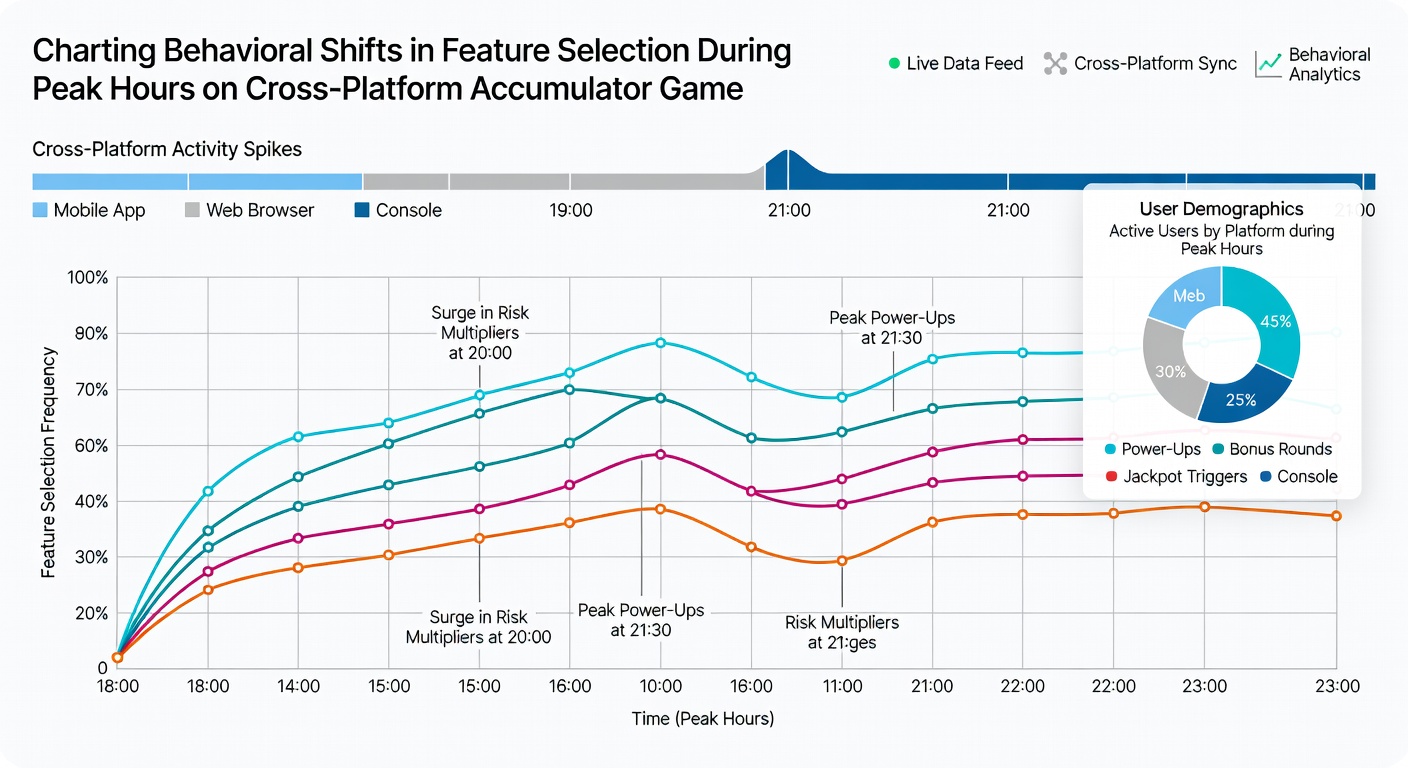
One dataset released in June 2026 by industry monitoring groups tracked over 2.3 million sessions and found that accumulator depth selections increased by 31 percent on tablets compared with the same titles during afternoon lulls. Console players exhibited intermediate patterns, blending mobile speed with desktop breadth yet still favoring chain extensions when friend-list activity indicators appeared on screen. These patterns hold across regions even when regulatory frameworks vary, suggesting platform design elements exert stronger influence than geographic factors alone.
Data Patterns from Mid-2026 Reporting Periods
Telemetry compiled through June 2026 across North American and European servers shows clear spikes in feature reselection events between 9 PM and 11 PM, with users reopening menus at nearly double the rate seen in earlier hours. The Pennsylvania Gaming Control Board published supporting aggregates that month indicating cross-device synchronization events peak simultaneously with these reselection surges, implying social or competitive cues play a role in prompting changes. Researchers tracking these logs emphasize that the shifts remain consistent week to week, pointing to structural rather than temporary drivers.
Additional metrics highlight that accumulator completion rates climb when selections occur after the initial peak-hour window rather than before it, and this holds true even when total playtime stays constant. Cross-referencing with academic papers on behavioral timing in digital systems confirms the pattern appears across entertainment categories that rely on progressive systems, not solely accumulator formats.
Platform-Specific Influences on Selection Behavior
Mobile clients push notification-driven returns that land users directly into high-accumulation menus during peak windows, whereas desktop clients require manual navigation that delays the same choices. Console environments sit between these poles because controller-based interfaces limit rapid menu scanning yet still surface accumulation prompts when network activity sensors detect elevated concurrent players. Each format therefore contributes distinct timing offsets to the overall behavioral curve documented in 2026 reports.
Those studying these systems note that feature trees with visual depth meters receive priority clicks once congestion indicators appear, regardless of prior session history. This suggests interface salience during high-traffic periods overrides earlier preferences established in quieter intervals, producing the documented redistribution of selection frequencies.
Conclusion
Cross-platform accumulator games exhibit repeatable behavioral shifts in feature selection once peak hours commence, driven by synchronized interface adjustments, device-specific navigation differences, and elevated concurrent activity levels. Reports issued through June 2026 quantify these movements across millions of sessions while highlighting consistent patterns that transcend individual titles. Continued monitoring by regulatory bodies and research institutions will clarify whether design modifications can moderate or amplify these documented tendencies in future operating cycles.