Analyzing Transition Rates from Practice Modes to Real-Money Progressive Builds in Portable Casino Environments

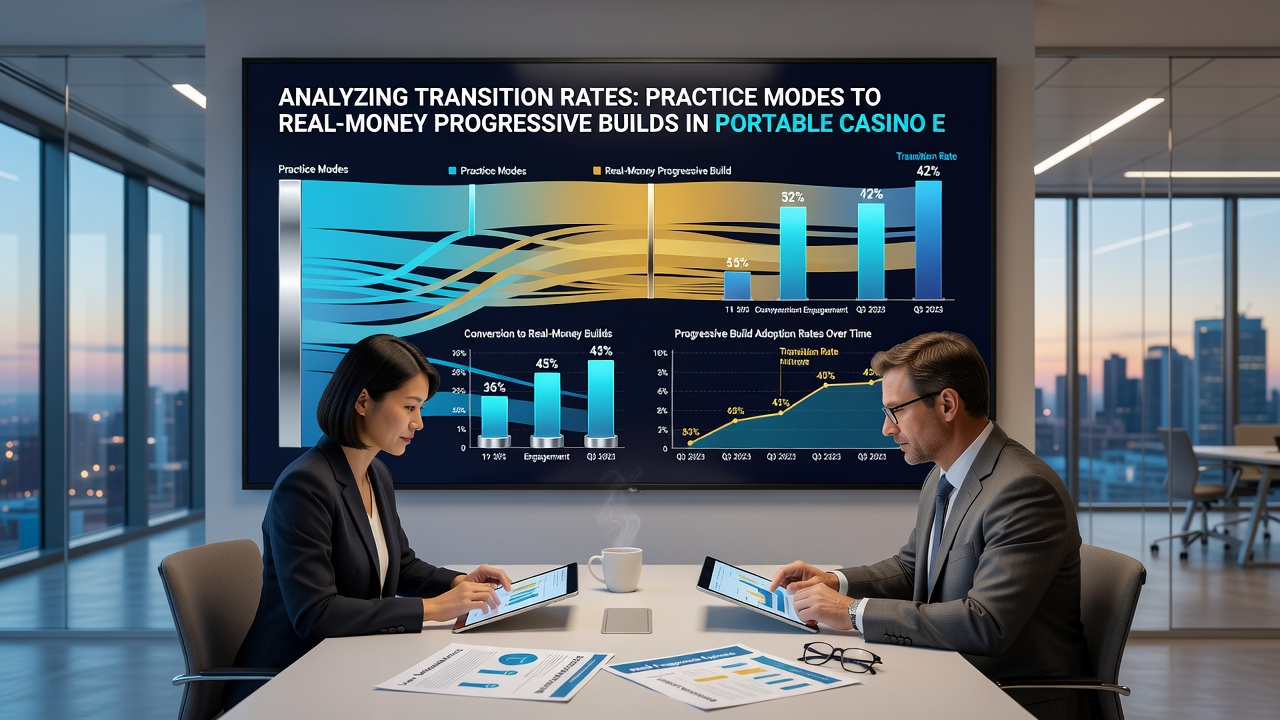
Portable casino environments have seen steady growth in user engagement metrics throughout 2025 and into July 2026, with transition rates from practice modes to real-money progressive builds emerging as a key area of focus for operators and regulators alike. Data collected across multiple platforms indicates that players often spend between 15 and 40 minutes in demo versions before deciding whether to deposit funds, and these patterns vary significantly by device type, game category, and regional market conditions.
Measurement Frameworks and Data Sources
Researchers tracking these transitions rely on aggregated session logs that capture mode switches, deposit events, and progressive jackpot contributions without accessing individual account details. Figures from the Nevada Gaming Control Board show that mobile sessions involving progressive titles accounted for roughly 62 percent of all practice-to-real conversions in the first half of 2026, up from 54 percent the previous year. Observers note that these numbers come from anonymized telemetry streams that record the moment a free-play balance reaches zero and a funded account takes its place.
Canadian provincial regulators, including those in Ontario, have published parallel datasets that allow cross-border comparisons. Their reports highlight how progressive build mechanics, which accumulate contributions across linked machines or servers, influence the timing of user upgrades from demo accounts. When jackpot meters climb above certain thresholds, transition velocity tends to increase, though the exact percentage lift depends on the underlying network size and contribution rate per spin.
Behavioral Patterns Across Device Types
Portable environments introduce variables that desktop platforms do not, such as intermittent connectivity and smaller screen real estate. Studies conducted by academic teams at the University of Nevada, Reno, found that tablet users completed the move from practice to real-money play approximately 12 percent faster than smartphone users during the same observation window in early 2026. The difference appears linked to screen size affecting visibility of accumulating progressive meters rather than any difference in user demographics.
Session length also plays a measurable role. Players who remain in practice mode beyond 25 minutes show lower conversion rates overall, yet those who engage with multiple progressive titles within a single session demonstrate higher follow-through once they decide to fund an account. Industry associations tracking these trends report that the presence of tiered jackpot levels, mini through mega, correlates with extended demo exploration before commitment.
Regional Regulatory Influences
Regulatory frameworks shape how operators present practice modes and how quickly users can move to funded play. In several Australian states, rules require clear separation between demo and real-money interfaces, which has produced measurable differences in transition timing compared with markets that allow seamless wallet integration. Data released by state gaming authorities in July 2026 indicated that jurisdictions with stricter separation protocols recorded average conversion windows of 32 minutes versus 21 minutes in less restrictive regions.
European markets outside the UK have introduced their own reporting requirements, and early figures suggest that mandatory loss-limit reminders displayed during practice sessions can extend the time before players initiate deposits. These interventions do not prevent transitions but alter the distribution curve of when they occur.
Progressive Network Effects
Progressive builds add another layer because the shared prize pool creates visible momentum that demo players can observe without financial risk. Network operators have documented that larger linked pools, spanning multiple operators or jurisdictions, produce steadier transition flows even when individual game volatility remains high. The opposite holds for smaller, operator-specific progressives where meter growth appears slower and conversion rates flatten after the initial novelty period.
Platform analytics further reveal that users who sample progressive titles across both practice and real-money environments within the same day exhibit distinct retention patterns compared with those who treat the two modes sequentially. Cross-mode sampling appears more common on tablets, where multitasking between demo and funded accounts is technically simpler.
Conclusion
Transition rates from practice modes to real-money progressive builds in portable casino environments continue to reflect an interplay of device characteristics, regulatory settings, and jackpot network scale. Data gathered through mid-2026 demonstrates consistent regional differences and device-specific behaviors that operators monitor through anonymized telemetry. Continued collection of these metrics will allow clearer mapping of how practice sessions feed into funded progressive play across expanding mobile markets.